When your UPVC door lock starts playing up, it’s more than just an inconvenience – it’s a security concern that demands immediate attention. UPVC doors locks repairs represent some of the most common maintenance issues facing British homeowners, particularly as these multi-point locking systems age and components wear. Understanding how these mechanisms work and recognising early warning signs helps you maintain security whilst avoiding costly emergency callouts.
Identifying Common UPVC Door Lock Problems
UPVC door locks typically feature multi-point locking systems that secure at multiple points along the door frame. When problems develop, they often manifest as difficulty turning the key, handles that won’t lift properly, or doors that won’t lock securely despite appearing to engage.
The most frequent issues include worn cylinders, misaligned mechanisms, failed springs, and damaged keep plates. Environmental factors like temperature changes cause UPVC frames to expand and contract, gradually affecting lock alignment over time. Additionally, poorly fitted doors or settling foundations can create ongoing alignment problems that stress locking components.
Early warning signs include keys becoming harder to turn, handles requiring extra force to operate, or unusual grinding noises during operation. Addressing these symptoms promptly prevents complete lock failure and potential security vulnerabilities.
Assessment Tools and Initial Inspection
Before attempting any UPVC doors locks repairs, gather these essential tools for proper assessment:
- 3-in-1 oil or graphite spray – for lubrication testing
- Screwdriver set – to check handle and keep plate security
- Torch – for examining mechanism details
- Measuring tape – to check door alignment and gaps
- Spirit level – to assess frame alignment
- Camera – to document lock components for professional consultation
Check the door alignment by measuring gaps around the frame – they should be consistent and even. Test the handle operation without the key to identify whether problems lie with the cylinder or the multi-point mechanism itself.
Examine the door frame for signs of movement or damage, particularly around the keep plates where the locking bolts engage. Look for wear patterns on the lock face and check whether all locking points engage smoothly when the handle lifts.
Manageable Maintenance and Minor Repairs
Several UPVC doors locks repairs fall within most homeowners’ capabilities, particularly routine maintenance and simple adjustments. Regular lubrication using appropriate products prevents many common problems developing in the first place.
Cleaning and lubrication should happen every six months. Use graphite spray for cylinders rather than oil-based products, which attract dirt and debris. 3-in-1 oil works well for hinges and moving mechanisms, but avoid over-application as excess lubricant collects grime.
Handle adjustments often resolve lifting difficulties. Check the handle fixing screws – loose handles create additional stress on internal mechanisms. Tighten carefully without over-tightening, which can crack the UPVC material.
Keep plate adjustments can resolve minor alignment issues. If bolts catch slightly on entry, gentle filing of the keep plate openings may provide sufficient clearance. However, significant alignment problems indicate frame movement requiring professional assessment.
Understanding Repair Limitations
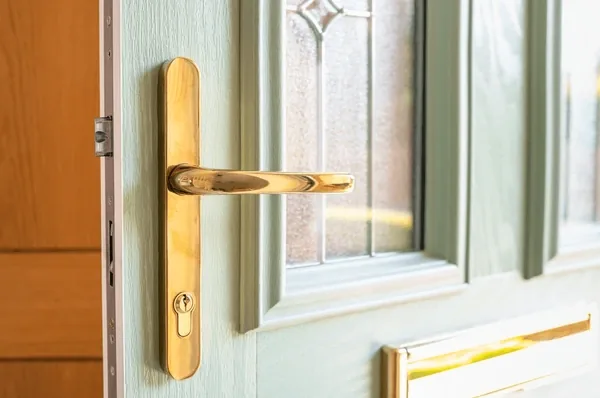
Cylinder replacement represents the most straightforward UPVC door lock repair for capable homeowners. Most euro cylinders simply unscrew from the handle assembly once the central screw is removed. However, measuring existing cylinders accurately proves crucial – incorrect sizes create security vulnerabilities.
Multi-point mechanism repairs typically require specialist knowledge and specific tools. These complex assemblies contain multiple springs, cams, and adjustment points that interact precisely. Incorrect reassembly can result in complete lock failure or security compromises.
Frame alignment issues exceed typical maintenance capabilities. Dropped doors, twisted frames, or foundation movement require professional intervention and potentially structural assessment. Attempting major adjustments without proper knowledge risks damaging the frame permanently.
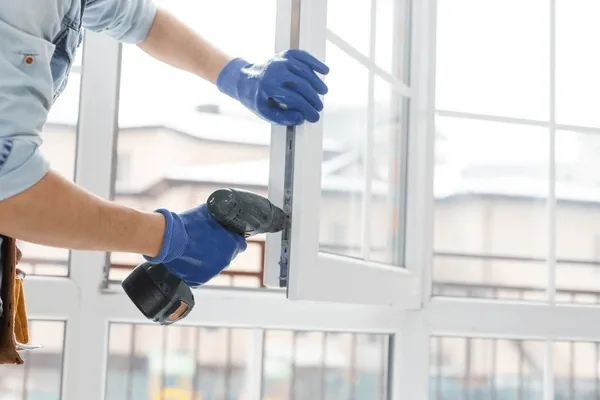
Professional Intervention Requirements
Emergency lockouts obviously require immediate professional assistance, but several other situations demand specialist expertise. Insurance requirements often specify professionally fitted locks for coverage validity, making DIY replacement potentially costly.
Security upgrades benefit from professional guidance regarding British Standard certifications and insurance-approved products. Modern cylinders offer anti-snap, anti-pick, and anti-bump protection that requires proper installation for effectiveness.
Commercial properties and rental accommodations typically require certified installations to meet regulatory requirements. Landlords particularly need compliant installations and maintenance records for legal protection.
Period properties or listed buildings may have specific requirements regarding lock types and installation methods. Conservation constraints can limit available options whilst maintaining security standards.
Preventive Maintenance Strategies
Regular maintenance schedules significantly extend UPVC door lock lifespan. Monthly visual inspections help identify developing problems before they become security risks or complete failures.
Seasonal adjustments account for thermal expansion affecting door alignment. Summer swelling and winter contraction require minor adjustments to maintain smooth operation throughout the year.
Key discipline prevents premature cylinder wear. Avoid forcing stiff locks – this often indicates lubrication needs or alignment issues requiring attention. Multiple key sets reduce wear on individual keys whilst providing emergency backup.
Weather protection helps preserve lock mechanisms. Draft excluders and weather seals reduce moisture ingress that causes corrosion and mechanism failure. Regular cleaning removes salt deposits and debris that accelerate wear.
Security and Insurance Considerations
Modern UPVC door lock repairs should incorporate current security standards. Insurance policies increasingly require specific lock certifications, particularly Secured by Design or British Standard approvals for new installations.
Lock upgrades during repair work provide opportunities to enhance overall security. Anti-snap cylinders and additional security hardware offer improved protection against modern attack methods.
Maintenance records prove valuable for insurance claims and property sales. Professional servicing certificates demonstrate responsible maintenance whilst warranty protection covers quality installations.
Whether you’re planning routine maintenance or facing complex UPVC doors locks repairs, having expert guidance makes the difference. Our experienced team understands multi-point locking systems’ unique requirements and security implications.
From technical advice for your maintenance projects to complete professional installation, we provide comprehensive door security services. Our specialists handle everything from cylinder replacements to complete mechanism overhauls.
Don’t let lock problems compromise your home security. Contact our UPVC door specialists today for consultations, professional quotes, or specialist lock repair advice.