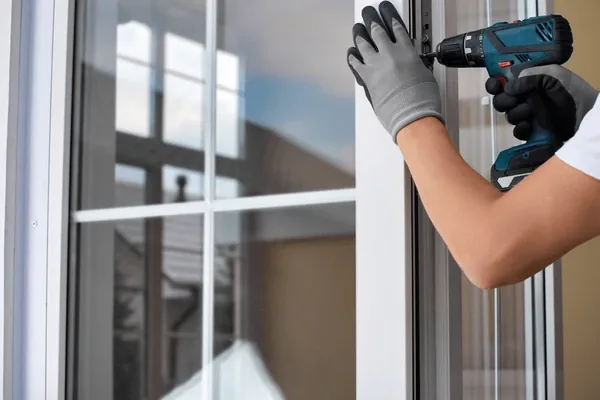
Commercial door repairs represent one of the most critical maintenance challenges facing UK businesses today. Whether managing a bustling retail establishment, office complex, or industrial facility, malfunctioning doors create security vulnerabilities, accessibility issues, and potential health and safety violations that can significantly impact operations.
Understanding Commercial Door Systems
Commercial doors endure substantially more stress than residential installations. High-traffic environments, frequent operation cycles, and diverse user requirements create unique maintenance challenges. Fire doors, security entrances, automatic systems, and emergency exits each demand specific repair approaches and regulatory compliance.
Modern commercial door systems incorporate sophisticated hardware including electromagnetic locks, access control integration, and automatic operators. These components require specialised knowledge for effective repairs, particularly when dealing with interconnected security and fire safety systems.

Common Commercial Door Problems
The most frequent issues requiring commercial door repairs include misaligned frames, worn hinges, damaged operators, and compromised sealing systems. Heavy usage patterns cause accelerated wear on pivot points, whilst environmental factors such as temperature fluctuations and moisture exposure contribute to frame distortion and hardware corrosion.
Automatic door systems present additional complexities. Sensor malfunctions, motor failures, and control system glitches can render entrances completely inoperable, creating immediate accessibility compliance issues and potential business disruption.
Self-Assessment Tools and Techniques
Before engaging professional services, conduct systematic assessments to identify repair requirements and urgency levels. You’ll need a digital camera, measuring tape, spirit level, and basic tools for this evaluation.
Document door operation cycles, noting any unusual sounds, resistance, or irregular movement patterns. Check alignment by measuring gaps around door perimeters—consistent spacing indicates proper installation, whilst variations suggest frame settlement or hinge wear.
Test all locking mechanisms, handles, and automatic systems during different operational periods. Many commercial door issues become apparent only during peak usage times when systems experience maximum stress.
Emergency Repair Procedures
When commercial doors fail outside normal business hours, temporary solutions can maintain security whilst minimising operational disruption. For manually operated doors, ensure locking mechanisms function and consider temporary barricading for severely compromised installations.
Automatic door emergencies require immediate professional intervention due to safety implications. However, most systems include manual override procedures that allow temporary operation whilst awaiting repair services. Locate override controls and ensure staff understand emergency procedures.
Maintenance Scheduling for Commercial Properties
Commercial door repairs often result from deferred maintenance rather than sudden failures. Establish quarterly inspection schedules that include lubrication of moving parts, adjustment of closing mechanisms, and testing of safety features.
Fire doors require particularly rigorous maintenance schedules due to regulatory requirements. Monthly visual inspections should verify proper closure, seal integrity, and hardware functionality. Any deficiencies require immediate attention to maintain fire safety compliance.
Regulatory Compliance Considerations
Commercial door repairs must address numerous regulatory frameworks including Building Regulations, Equality Act requirements, and fire safety legislation. Modifications or repairs that affect fire door performance require certification to ensure continued compliance.
Accessibility regulations mandate specific opening forces, clear widths, and automatic operation capabilities for many commercial installations. Repairs must maintain these standards whilst addressing operational issues.
Professional Repair Versus Manageable Adjustments
Whilst basic maintenance tasks such as cleaning tracks and lubricating hinges suit capable maintenance teams, commercial door repairs typically require professional expertise. Complex hardware systems, regulatory compliance requirements, and liability considerations make professional service essential for most repair scenarios.
Simple adjustments including strike plate repositioning and minor hardware tightening can address minor operational issues. However, any repairs affecting structural integrity, automatic systems, or fire door performance demand qualified technician involvement.
Technology Integration Challenges
Modern commercial properties increasingly incorporate smart building technologies that integrate door systems with broader facility management platforms. Repairs must consider these connections to prevent system-wide disruptions.
Access control integration, visitor management systems, and building automation platforms all interface with commercial door hardware. Professional repair services understand these relationships and can address issues without compromising connected systems.
Cost Management Strategies
Commercial door repairs can be expensive, particularly for emergency callouts or specialist system components. Develop relationships with qualified repair contractors who understand your facility’s specific requirements and can provide priority service arrangements.
Consider maintenance contracts that include regular inspections and priority repair services. These arrangements often provide cost savings compared to reactive repair approaches whilst reducing the likelihood of emergency situations.
Quality Assurance and Warranties
Professional commercial door repairs should include comprehensive warranties covering both parts and labour. Quality contractors provide detailed documentation of work completed and maintain service records that support ongoing maintenance programmes.
Insist on certification for any repairs affecting fire door performance or accessibility compliance. These certifications protect against regulatory violations whilst ensuring repairs meet required standards.
Long-term Performance Optimisation
Effective commercial door repairs address immediate issues whilst considering long-term performance requirements. Quality repairs often include upgrades that improve reliability, security, or energy efficiency beyond original specifications.
Modern hardware options can significantly enhance door performance whilst reducing ongoing maintenance requirements. Professional repair services can recommend cost-effective upgrades that provide long-term value.
Whether you’re planning maintenance work or facing complex repair challenges, having expert guidance makes the difference. Our experienced team understands commercial door systems’ unique requirements and regulatory obligations.
From technical advice for your maintenance projects to complete professional restoration, we provide comprehensive commercial door repair services. Our specialists handle everything from assessments to emergency repairs with full regulatory compliance.
Don’t let door failures compromise your business operations. Contact our commercial door repair experts today for consultations, professional quotes, or specialist advice.